Optimizing Your AC Performance: The Importance of AC Tune-Up
AC tune-up sets the stage for maximizing your cooling system's efficiency and longevity. It's a crucial maintenance task that can make a significant difference in your comfort and energy costs. Let's delve into the key aspects of AC tune-up to help you keep your system running smoothly.
As we explore the benefits, signs, maintenance tips, and professional process of AC tune-up, you'll gain valuable insights into how to ensure your AC unit operates at its best.
Importance of AC Tune-Up

Regular AC tune-ups are essential for maintaining the efficiency and longevity of your unit. By scheduling routine maintenance, you can benefit in several ways.
Improved Energy Efficiency
- During a tune-up, the technician will clean and inspect the various components of your AC system, ensuring that it operates at peak efficiency.
- Properly maintained units consume less energy to cool your space, resulting in lower energy bills and reduced environmental impact.
- By addressing any issues early on, the technician can prevent potential problems that may lead to increased energy consumption over time.
Extended Lifespan of the Unit
- Regular maintenance helps to identify and address minor issues before they escalate into major problems, ultimately prolonging the lifespan of your AC unit.
- By keeping the system clean and well-maintained, you can prevent premature wear and tear on components, leading to a longer overall lifespan.
- Properly tuned-up units are less likely to break down unexpectedly, saving you from costly repairs or replacements in the future.
Signs Your AC Needs a Tune-Up

Regular maintenance of your air conditioning system is crucial to ensure optimal performance and longevity. Ignoring signs that indicate your AC needs a tune-up can lead to bigger problems down the line. Here are some common indicators that suggest your AC requires attention:
Unusual Sounds
- Clanking or banging noises could indicate loose or broken components within the system.
- Squealing or screeching sounds may be a sign of belt issues that need to be addressed.
- Rattling noises could signal loose parts or debris in the unit that require cleaning or tightening.
Strange Smells
- A musty smell when the AC is running could indicate mold or mildew growth within the system, which needs to be cleaned to prevent health issues.
- A burning odor may be a sign of overheating components that need immediate attention to avoid potential damage.
- A foul smell could indicate a dead animal trapped in the ductwork, which requires professional intervention to remove.
DIY AC Maintenance Tips
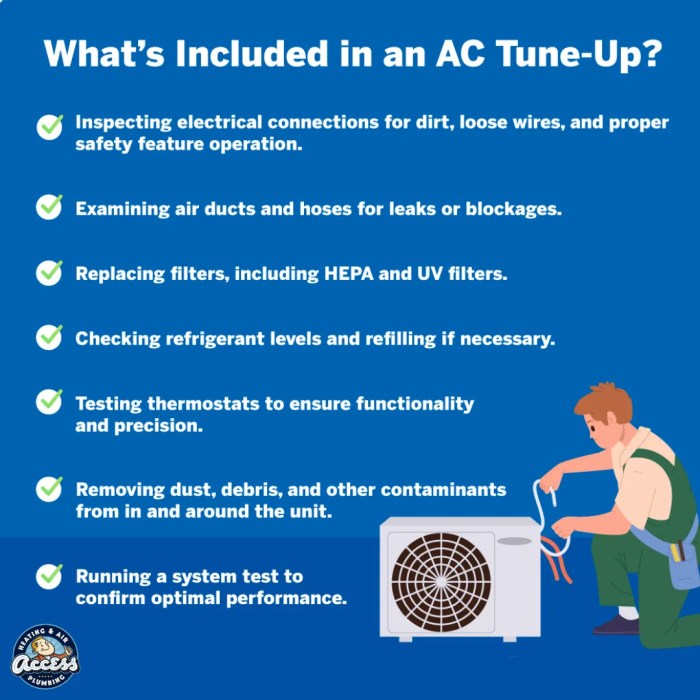
Regular maintenance is essential to keep your AC running efficiently. Here are some simple tasks you can do yourself to ensure your system stays in top condition.
Cleaning or Replacing AC Filters
One of the most important maintenance tasks is cleaning or replacing your AC filters regularly. Clogged filters can restrict airflow, reducing the efficiency of your system and causing it to work harder. Follow these steps to clean or replace your filters:
- Turn off the power to your AC system.
- Locate the filters, which are usually found in the return air duct or near the indoor unit.
- If you have reusable filters, clean them with water and mild detergent. Let them dry completely before reinstalling.
- For disposable filters, simply replace them with a new one of the same size and type.
- Turn the power back on and enjoy improved airflow and efficiency.
Keeping the Outdoor Unit Clear of Debris
It's important to keep the outdoor unit of your AC system clear of debris to ensure proper airflow and efficiency. Follow these tips to maintain the outdoor unit:
- Regularly inspect the unit for any debris such as leaves, grass clippings, or branches.
- Carefully remove any debris with a soft brush or hose, being careful not to damage the fins or coils.
- Trim any vegetation around the unit to ensure proper airflow.
- Make sure there is at least two feet of clearance around the unit for optimal performance.
Professional AC Tune-Up Process

When it comes to professional AC tune-ups, trained technicians follow a set of specific steps to ensure your air conditioning system is running efficiently and effectively.
Thorough Inspection
During a professional AC tune-up, a technician will conduct a thorough inspection of your system. This includes checking for any potential issues, wear and tear, and ensuring all components are in proper working condition.
Assessment of Refrigerant Levels
One crucial step in the AC tune-up process is assessing the refrigerant levels in your system. Technicians will check if the refrigerant levels are optimal for proper cooling. If there is a refrigerant leak, they will identify and address it promptly to prevent further damage.
Checking for Leaks
Another important aspect of a professional AC tune-up is checking for any leaks in the system. Leaks can lead to inefficiency and reduced cooling capacity. Technicians will inspect the system thoroughly to identify and repair any leaks, ensuring your AC operates at its best.
Summary

In conclusion, regular AC tune-ups are essential for maintaining a well-functioning cooling system. By addressing issues early, performing DIY maintenance, and scheduling professional inspections, you can enjoy a cooler and more energy-efficient home environment. Stay proactive with your AC tune-up routine to stay cool and comfortable throughout the year.
Questions Often Asked
How often should I schedule an AC tune-up?
It's recommended to schedule an AC tune-up at least once a year to ensure optimal performance.
What are the benefits of regular AC tune-ups?
Regular AC tune-ups can improve energy efficiency, extend the lifespan of your unit, and help prevent costly repairs.
How can I tell if my AC needs a tune-up?
Look out for signs like reduced cooling efficiency, strange noises, or musty odors coming from your AC unit.